
Munchkin Kittens for Sale
Discover adorable Munchkin kittens at Heritage Cattery, where every kitten has its own personality, charm, and unique appearance. Known for their short legs, expressive faces, and playful nature, Munchkin cats bring a special kind of joy to the homes they join. Explore their characteristics, learn about their everyday care requirements, and find helpful guidance on nutrition, grooming, and creating a comfortable indoor environment. Whether you’re drawn to their curious personalities or affectionate companionship, learn what it takes to welcome a Munchkin kitten into your family.
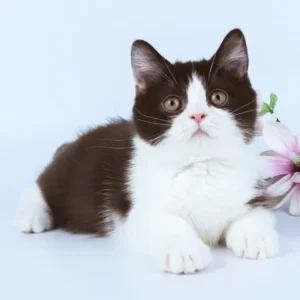
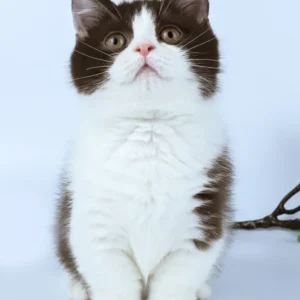
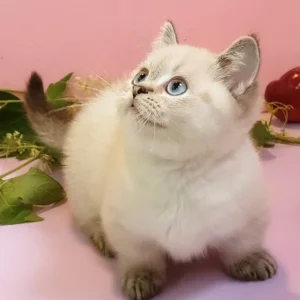
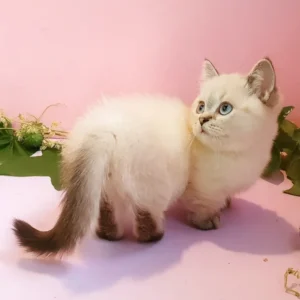
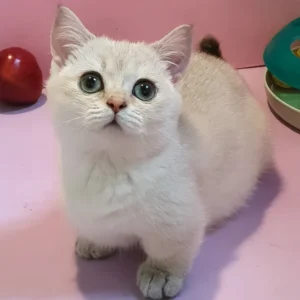
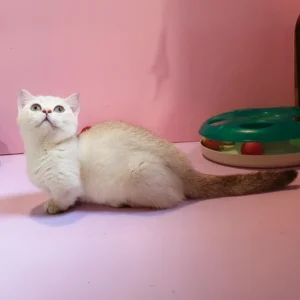
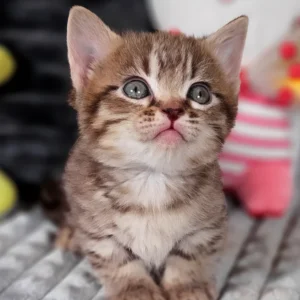
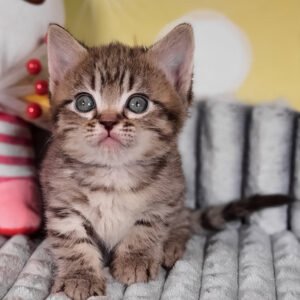
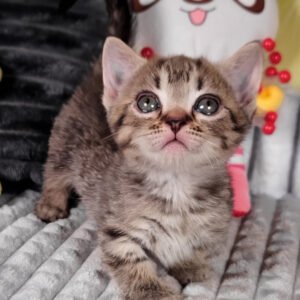
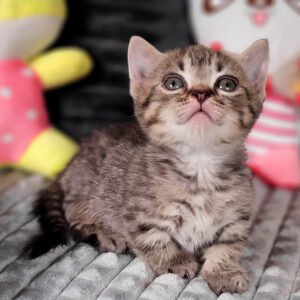
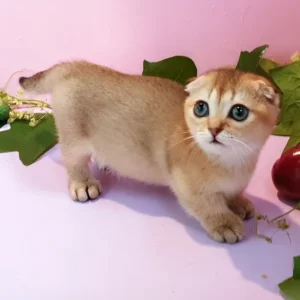
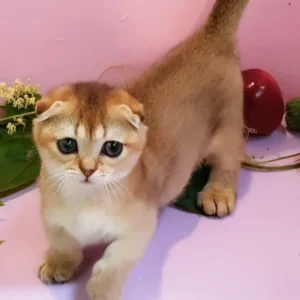
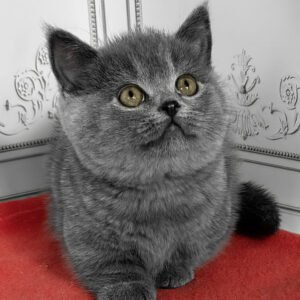
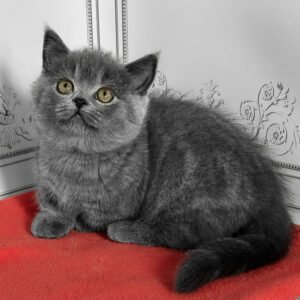
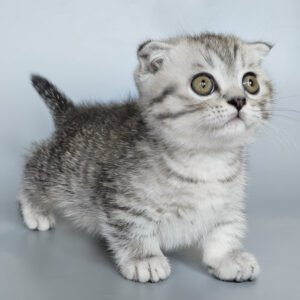
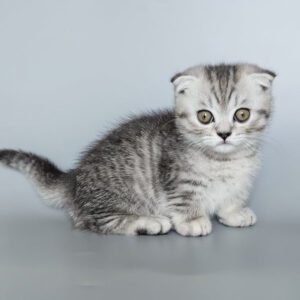
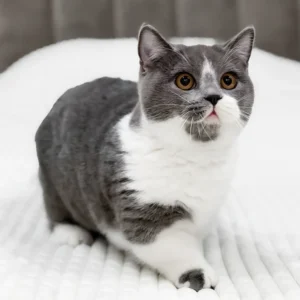
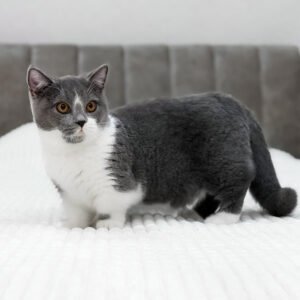
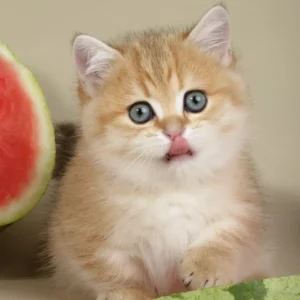
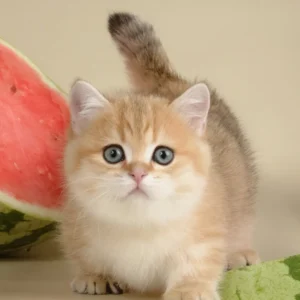
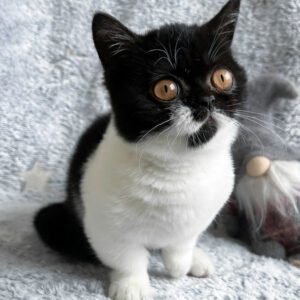
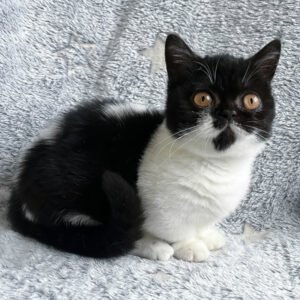
Munchkin Kittens for Sale: About the Breed
Munchkin cats are recognized for their distinctive short legs, compact appearance, and lively personalities. Their unique proportions make them instantly recognizable, while their curious and sociable nature adds to their appeal. These cats often enjoy interactive play, exploring their surroundings, and spending time with their favorite people.
Despite their shorter legs, Munchkins can be active, inquisitive companions who enjoy toys, climbing opportunities suited to their abilities, and everyday family interaction. Their individual temperaments vary, so prospective owners should consider each kitten’s personality, health history, and care needs when choosing a companion.
At Heritage Cattery, we believe that finding the right kitten starts with understanding the breed. Explore individual kitten profiles, learn about their backgrounds, and consider whether a Munchkin’s needs and characteristics are a good fit for your home. Responsible kitten adoption includes asking about veterinary records, parental health, socialization, and any breed-specific considerations before making a decision.
Munchkin Cat Characteristics
Munchkin cats have several recognizable traits, but every kitten develops its own personality. The ratings below are general estimates rather than guarantees for every individual cat.
| Characteristic | Typical Rating |
|---|---|
| Playfulness | ★★★★★ |
| Activity Level | ★★★★☆ |
| Friendliness to Other Pets | ★★★★☆ |
| Friendliness to Children | ★★★★☆ |
| Grooming Requirements | ★★★☆☆ |
| Vocality | ★★★☆☆ |
| Need for Attention | ★★★★☆ |
| Affection Toward Owners | ★★★★☆ |
| Docility | ★★★★☆ |
| Intelligence | ★★★★☆ |
| Independence | ★★★☆☆ |
| Hardiness | ★★★☆☆ |
Disclaimer: These ratings are general breed descriptions, not a guarantee of temperament, behavior, or health. Individual cats differ according to genetics, socialization, environment, and personal experience. Munchkins’ short-legged body structure can also present health and mobility considerations, so discuss breed-specific welfare with a qualified veterinarian.
History and Origins
The modern Munchkin cat breed developed from naturally occurring short-legged cats. The trait is associated with a genetic variation that affects limb length, and organized breeding programs brought these cats wider recognition during the late twentieth century.
The breed’s distinctive appearance has attracted considerable interest, but its short-legged structure has also raised questions about welfare and responsible breeding. Different feline organizations have different policies regarding Munchkin recognition and registration. Anyone considering a Munchkin should look beyond appearance and prioritize sound veterinary care, ethical breeding practices, and the kitten’s long-term comfort and mobility.
At Heritage Cattery, prospective owners can use each kitten’s profile and breeder information as a starting point for asking questions about lineage, registration, health screening, and responsible care.
Munchkin Cat Personality
Munchkins are often described as curious, playful, and people-oriented. Many enjoy chasing toys, investigating new objects, watching household activities, and spending time near their families. Some are especially affectionate, while others prefer a little independence between play sessions.
Their personalities are shaped by more than breed alone. Early socialization, positive experiences, daily interaction, and the home environment all influence how a kitten responds to people and other animals.
To help a Munchkin settle in, provide a predictable routine, gentle handling, interactive play, comfortable resting areas, and easy access to food, water, and litter. Choose toys and furniture that allow your kitten to move safely without needing to jump from excessive heights.
Nutrition and Feeding
Good nutrition supports healthy growth, energy, and overall well-being. Choose a complete and balanced cat food appropriate for your kitten’s age and life stage. Follow the feeding guidance on the packaging and ask your veterinarian to help determine suitable portions based on growth, body condition, and activity level.
Helpful feeding practices include:
-
Age-appropriate food: Select a complete kitten formula while your cat is growing.
-
Consistent meals: Establish a regular feeding schedule that suits your kitten’s age and needs.
-
Fresh water: Keep clean drinking water available throughout the day.
-
Monitor growth: Track weight and body condition with veterinary guidance.
-
Introduce food gradually: Transition to a new diet over several days to help minimize digestive upset.
-
Avoid unsuitable foods: Do not offer toxic foods such as onions, garlic, chocolate, or products containing xylitol.
Treats should remain a small part of the overall diet. If your kitten has digestive issues, food sensitivities, or unusual weight changes, consult a veterinarian rather than making major dietary changes without guidance.
Grooming and Care
Munchkin grooming needs depend largely on coat length, coat texture, and the individual cat. Shorthaired cats often need less brushing, while longhaired cats may require more frequent grooming to prevent tangles and mats.
A simple care routine can include:
-
Brushing: Brush regularly, increasing frequency for longer coats or during shedding.
-
Nail care: Check claws and trim them carefully when needed.
-
Dental hygiene: Introduce cat-safe toothbrushing gradually and ask your veterinarian about dental care.
-
Ear and eye checks: Look for unusual discharge, redness, or irritation.
-
Litter-box hygiene: Keep the litter box clean and easy for your kitten to enter.
-
Routine veterinary visits: Maintain recommended examinations, vaccinations, parasite prevention, and dental assessments.
Use gentle handling and positive reinforcement to help grooming become a comfortable part of everyday life. Seek veterinary advice if you notice persistent itching, skin changes, discharge, or signs of discomfort.
Specific Needs of Munchkin Cats
Munchkins benefit from a home arranged around their size, comfort, and individual mobility. Their shorter legs may affect how easily they reach elevated surfaces, so practical adjustments can help them navigate their surroundings more comfortably.
Create an accessible home: Provide low-entry litter trays, easily reachable food and water bowls, and cozy resting places that do not require high jumps.
Choose suitable play activities: Offer toys that encourage chasing, gentle pouncing, and mental stimulation. Avoid encouraging repeated high jumps or activities that appear to cause discomfort.
Maintain a healthy weight: Excess weight can place additional strain on joints and movement. Ask your veterinarian about healthy growth and body condition.
Watch for changes in movement: Pay attention to stiffness, reluctance to move, changes in gait, or difficulty using steps and furniture. Arrange a veterinary assessment if these signs occur.
Consider breed-specific health concerns: The genetics and welfare implications of short-legged cats remain important considerations. Discuss potential orthopedic concerns, screening practices, and the parents’ health history with a qualified veterinarian and breeder before adopting.
Provide companionship and enrichment: Offer daily interaction, safe toys, scratching surfaces, hiding places, and quiet areas where your kitten can rest.
A thoughtful home setup and appropriate veterinary care help you make informed decisions about your cat’s long-term well-being.
What to Know Before Getting a Munchkin Kitten
Before bringing home a Munchkin kitten, consider whether you can provide daily attention, appropriate nutrition, preventive veterinary care, and a safe indoor environment. Ask the breeder for the kitten’s age, medical records, vaccination and parasite-treatment history, and details about its parents.
You should also ask about the kitten’s socialization, current diet, registration documentation if applicable, and any known health or mobility concerns. A responsible adoption decision puts the kitten’s welfare first and ensures you understand the care commitment for the cat’s entire life.
At Heritage Cattery, individual kitten profiles can help you learn more about each kitten’s appearance and background. Take time to review the information and ask questions before choosing your new companion.
Frequently Asked Questions
Are Munchkin cats suitable for indoor living?
Many Munchkins can adapt to indoor living when provided with a safe, stimulating environment, suitable play, comfortable resting places, and routine veterinary care. Make food, water, litter, and favorite resting spots easy to access.
Are Munchkin cats affectionate?
Many are sociable and enjoy spending time with their families, but affection levels vary between individual cats. A kitten’s early experiences, personality, and environment can influence how it interacts with people.
Do Munchkin kittens need special care?
They may benefit from adjustments such as low-entry litter boxes, accessible resting areas, and play that avoids excessive jumping. Their health and mobility should be monitored, with veterinary advice sought whenever concerns arise.
What should Munchkin kittens eat?
Feed a complete and balanced diet designed for kittens, provide fresh water, and follow suitable portion guidance. Your veterinarian can recommend an appropriate diet and feeding schedule for your kitten’s age and growth.
How often should I groom a Munchkin cat?
Grooming frequency depends on coat length and condition. Shorthaired cats usually need regular brushing, while longhaired cats often require more frequent attention to prevent tangles and mats.
Can Munchkin cats live with children and other pets?
Some Munchkins live comfortably with children and other pets when introductions are gradual and interactions are respectful. Supervise young children, provide separate resting spaces, and allow every animal time to adjust.
What should I ask a breeder before adopting?
Ask for veterinary records, vaccination and parasite-treatment details, parental health history, information about mobility or orthopedic concerns, socialization details, and any applicable registration documents. A responsible breeder should welcome reasonable questions about the kitten’s welfare.
How can I prepare my home for a Munchkin kitten?
Prepare a quiet settling-in area with food, water, a clean litter tray, a comfortable bed, scratching surfaces, and safe toys. Remove hazards, secure windows, and arrange furniture so the kitten can reach essential resources without difficult jumps.
Find Your Companion at Heritage Cattery
Choosing a kitten is an important commitment that deserves careful thought. Learn about the Munchkin breed, review individual kitten profiles, and ask questions about health, temperament, and care before making your decision.
Heritage Cattery is here to help you explore the qualities of Munchkin cats and understand what responsible kitten ownership involves. With thoughtful preparation, suitable veterinary care, and a loving environment, you can give your feline companion a strong start in its new home.